
By Chen Yilin 1002474625, Wang Yuqing 1002578624, Wang XiRui 1002580893, Zhou Ziang 1002579233, Cong Yanan 1002578677
In Kuala Lumpur, there is a little-known haven—Sunteck Children with
Disabilities Welfare Home. It currently shelters 25 individuals with physical and intellectual disabilities, ranging in age from 20 to over 50.
For Mr. Ming, the director, every day here is a struggle against survival
realities. Due to the lack of stable government funding, the center’s monthly operating expenses reach up to 30,000 Malaysian ringgits, covering residents’ meals, care, and daily needs.
Many children here are abandoned by families for their disabilities and
struggle to verbalise their needs, demanding consistent, patient care. Ming previously worked at Ipoh schools, but his personal experience caring for his blind, immobile mother inspired him to devote himself to this charity long-term. “I used to make medals. At that time, I could bring happiness to students and feel less pressure,” he recalled. “The outside world rarely understands these special individuals. They are pure in heart and never hurt others.” In the face of business pressure, he has always maintained restraint. “Only long-term companionship can understand their needs to take care of people with disabilities. “
The student team brought daily necessities, joined craft activities and games with the children, then held an in-depth interview with Ming, who shared his daily challenges and heartfelt insights.
“We can’t change public prejudice overnight, but these people with disabilities deserve more social kindness and tangible support.” — Mr. Ming
The functioning of welfare homes is not only dependent on the material
contribution, but also the continuous attention that society shows. Just like the
beautiful hand-painted heart stickers left by kids on the wall, any small act of
kindness is necessary for making their life brighter.
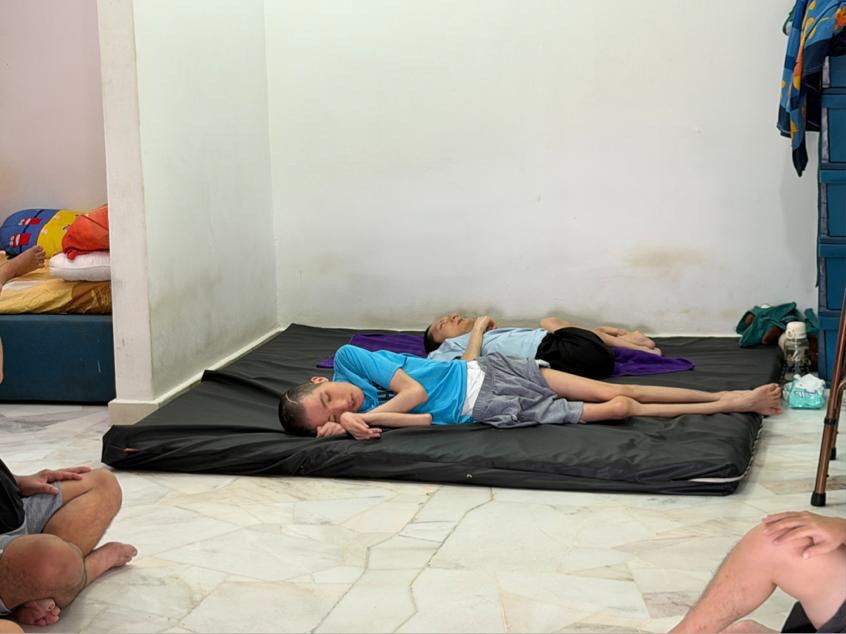
Figure 1. This little boy underwent multiple craniotomy surgeries at a very young age.Bearing permanent physical trauma, he requires full-time attentive care from staff for daily routines including meals.
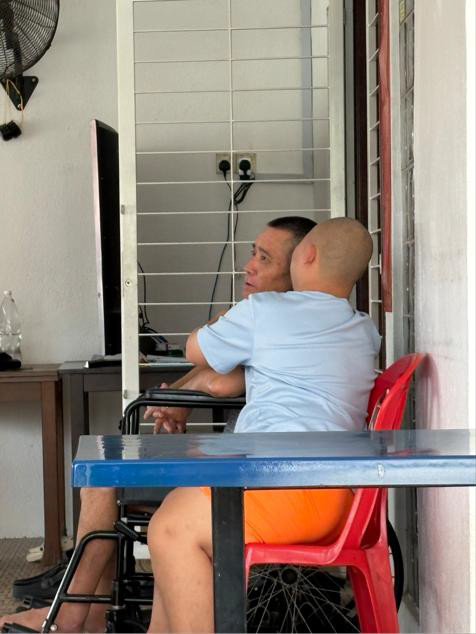
Figure 2. The boy in blue is a child with Down syndrome, and he regards the staff beside him as his father.
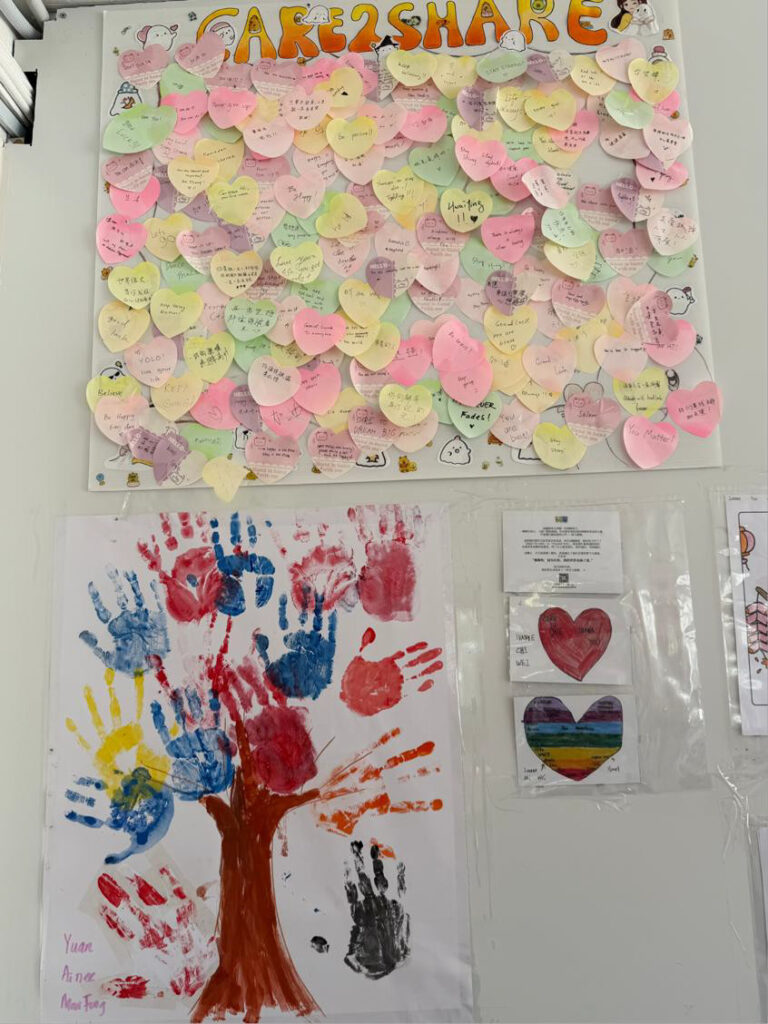
Figure 3. These paintings created by the children in their spare time symbolize hope
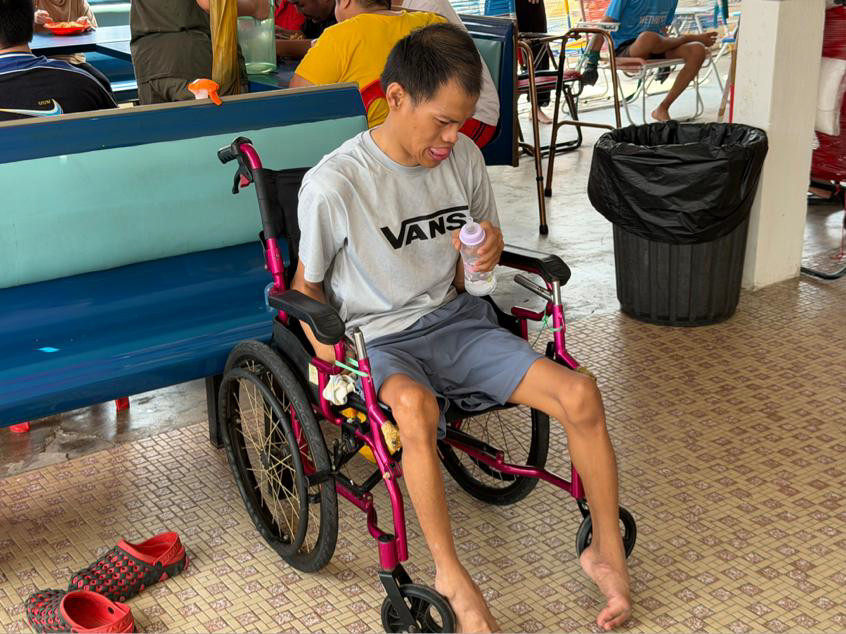
Figure 4. His family members are busy with work during the day. They send him to the welfare centre every morning and pick him up home every evening.
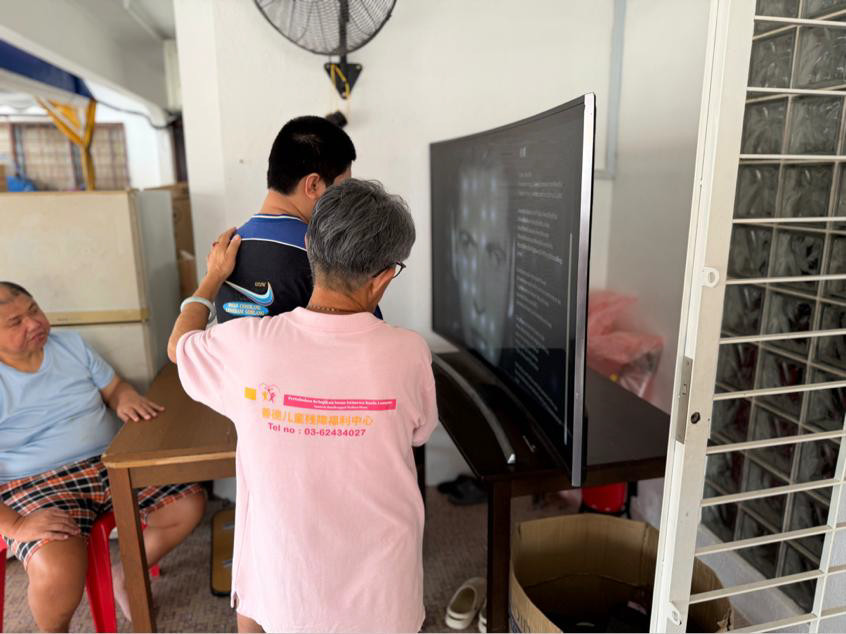
Figure 5. The standing boy suffers from both autism and mania. He loves singing to himself, and the director often stays with him to play together patiently.
Leave a Reply