
By Chen Qingyin 1002580399, Chen Shuhan 1002579450, Aliya 1002477065, Huang Yanli 1002580270, Hou Jia Ning 1002579028
“They are not just products; they represent culture, memories and stories.” — Mr. Lim, handicraft vendor
Petaling Street – At first glance, the handmade crafts displayed at Petaling Street look like colourful souvenirs. They hang above the stall, fill the shelves and attract visitors with bright patterns, tassels and traditional shapes. But behind every object is a story of labour, skill and cultural memory.
Figure 1: The vendor’s stall presents handmade products as both souvenirs and cultural objects.
Mr. Lim, a local handicraft vendor, has sold handmade crafts for more than ten years. He says he chose this work because he loves handicrafts and wants to keep local culture visible. To him, the stall is not only a business. It is also a small cultural space where visitors can learn the meaning behind what they buy.
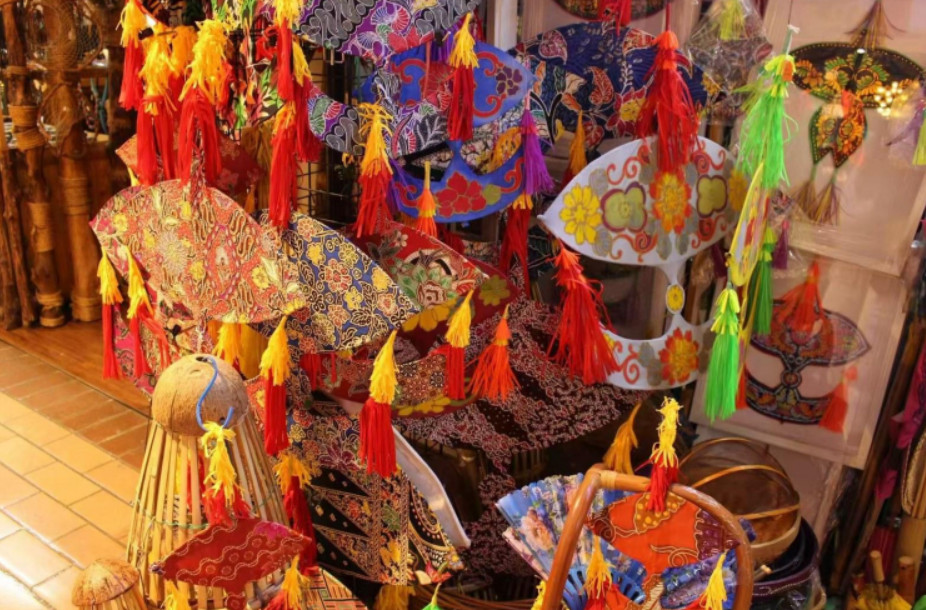
Figure 2: A close-up of Wau-style crafts shows detailed floral patterns and hanging tassels.
The crafts are made and arranged with care. Traditional kite shapes, fabric patterns and handmade details show how culture can be carried through design. Mr. Lim explains that these products are connected to tradition and have been passed down across generations.
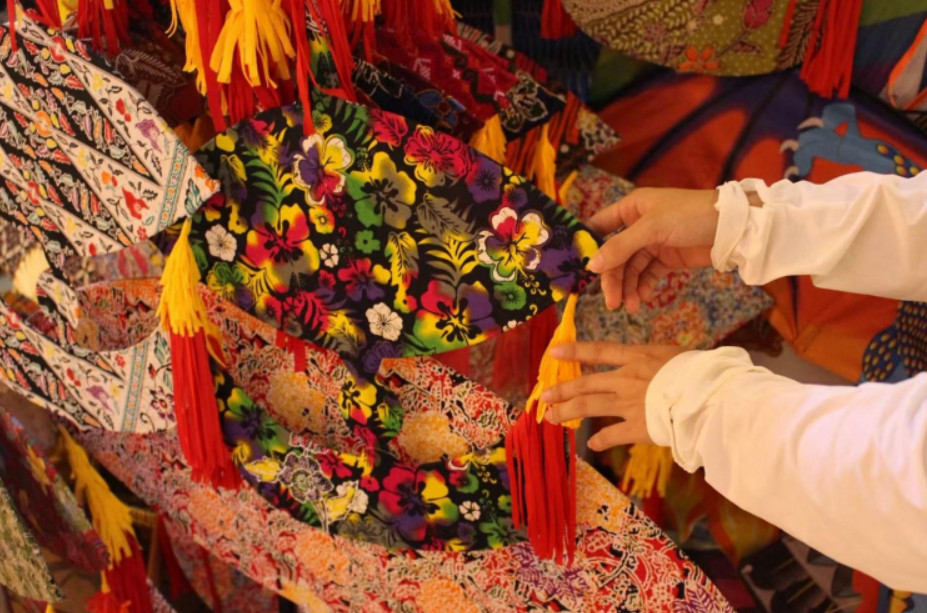
Figure 3: The bright fabric patterns and tassels reveal the visual richness of Malaysian craft design.
However, keeping this craft alive is not easy. Mr. Lim says material costs have increased and customer numbers are lower than before. Mass-produced products are cheaper, and younger people are less willing to learn slow handmade skills.
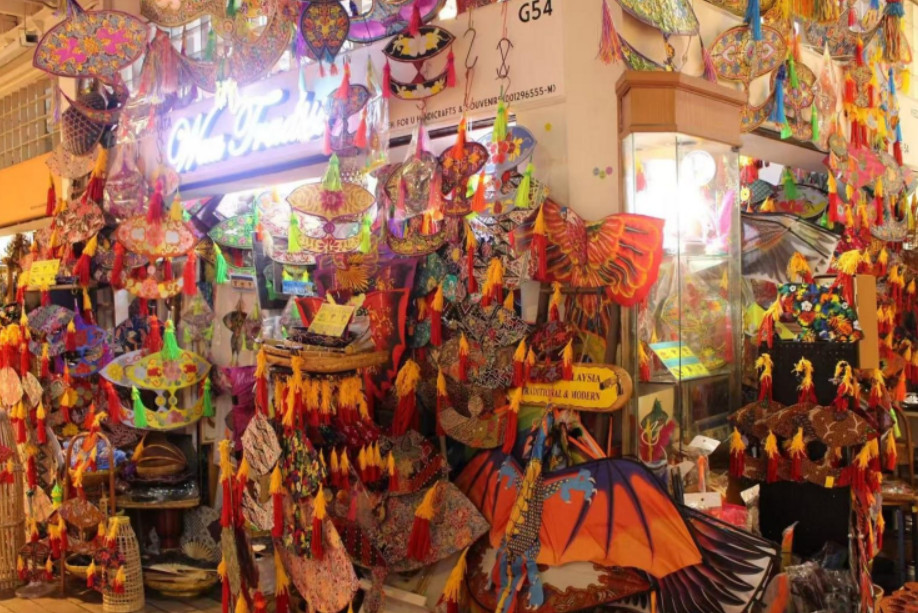
Figure 4: Tourists and visitors move through the craft area, where traditional objects become part of daily commerce.
A tourist at the stall said her opinion changed after hearing the story behind the crafts. At first, she only saw them as beautiful and interesting objects. After the explanation, she said they had cultural value and deserved more appreciation.
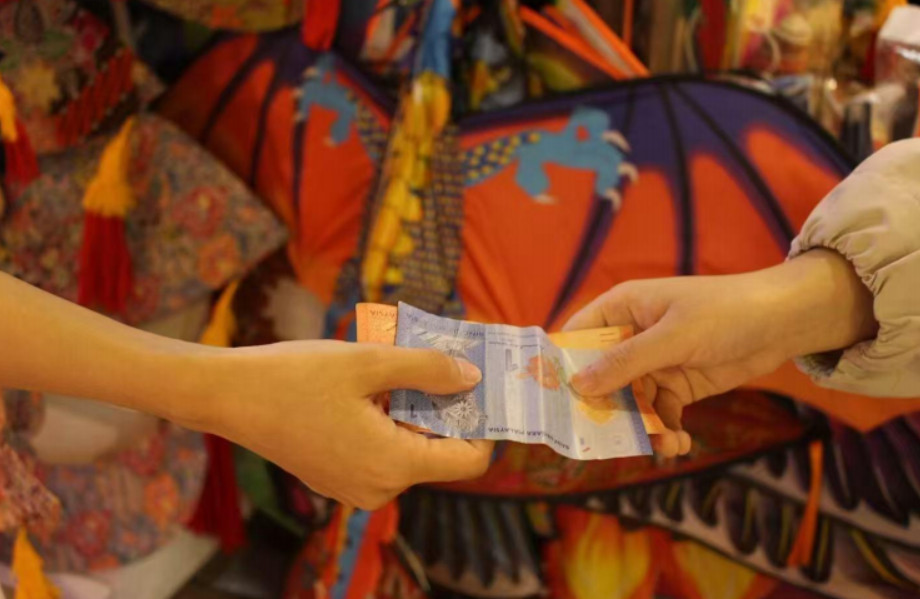
Figure 5: Payment at the stall shows the direct link between cultural appreciation and small business survival
In the end, the story of Petaling Street handicrafts is not only about buying and selling. It is about how small vendors protect memory, identity and tradition in a fast-changing city. When visitors take these crafts home, they carry more than a souvenir. They carry a piece of living heritage.
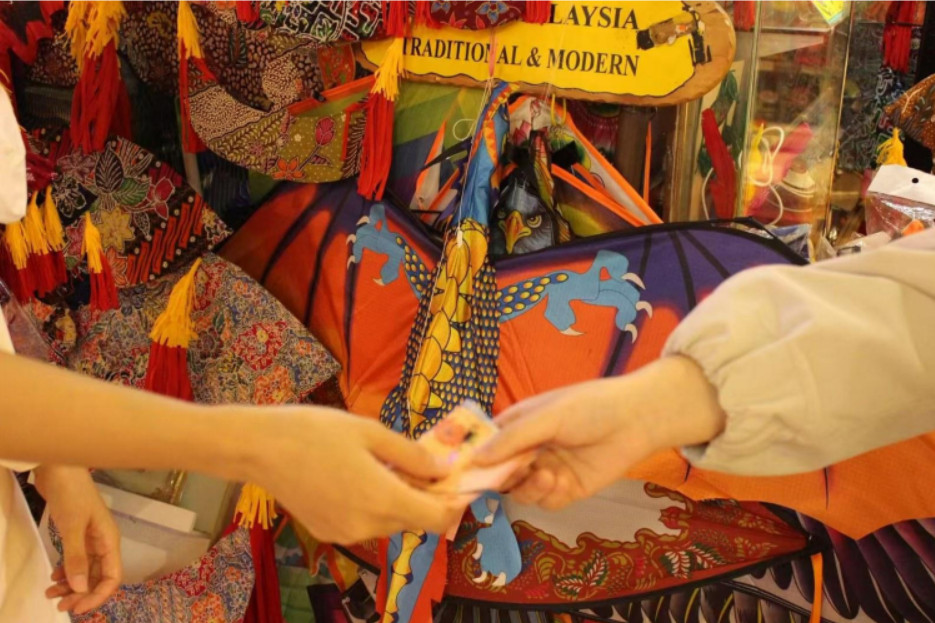
Figure 6: The purchase of a handmade item turns a souvenir into a small piece of living heritage.
Leave a Reply