
by Zhang Xinyu 1002580947, Huang EnXi 1002580705
Bai Liwen 1002579680, tanjianwei 1002475981, xu jin yu 1002588892
Malaysia — Wooden furniture, handwritten calligraphy, family portraits and
century-old household objects greet visitors as they step into the Hakka Culture
Museum. More than a collection of antiques, the museum tells the story of a
community whose traditions continue to survive through the dedication of one man
For the past eight years, curator Kong Jihua has devoted himself to preserving and promoting Hakka culture. What began as a small cultural centre has evolved into a museum that welcomes students, researchers and visitors eager to understand the history and values of the Hakka people
“From the initial idea and preparation until today, our Hakka Culture Association Museum has a history of eight years,” Kong said.
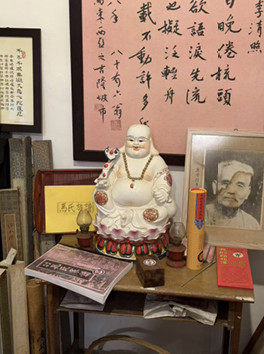
An ancestral altar displaying historical photographs, cultural publications, and ceremonial objects reflects the Hakka community’s respect for its heritage and ancestors.
Kong said his greatest motivation comes from the encouragement he has received over the years. One memorable milestone came when researchers from National Taiwan University spent an entire month conducting field research at the museum.
“It is the encouragement, support and recognition from many people that let me persist for so many years,” he recalled. Although the museum has earned recognition across Asia, Kong admitted that the journey has never been easy. “Difficulties are tempering; nothing in the world can be achieved easily,” he said. “All challenges are motivation for us to improve and become more mature.”
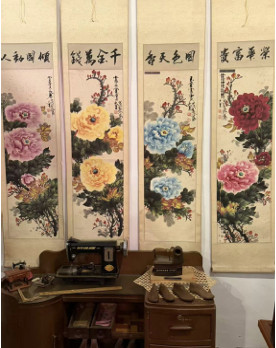
Vintage sewing machines, traditional wooden clogs and handcrafted artworks
recreate the everyday lifestyle of Hakka families from earlier generations.
Throughout the interview, Kong repeatedly compared today’s challenges with the migration history of Hakka ancestors, whose perseverance helped preserve their culture through generations. Walking through the museum, visitors also discover recreated living spaces filled with bamboo chairs, traditional kitchenware and family heirlooms that transform history into a living experience
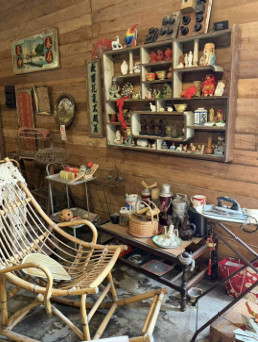
A reconstructed Hakka home allows visitors to experience the warmth, simplicity and traditions of everyday family life from the past.
“Once young people are willing to learn and experience Hakka culture, they will feel a sense of closeness towards it,” he explained. He hopes they will also embrace the values that define Hakka identity
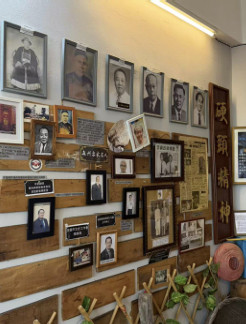
The museum’s gallery of influential Hakka figures recognises individuals whose lifelong contributions have helped safeguard Hakka culture and inspire future generations.
For Kong, preserving culture is not only about protecting the past—it is about giving future generations a stronger sense of identity. As visitors leave the museum, they carry with them more than photographs. They leave with a reminder that cultural heritage continues to live when people choose to protect it.
Leave a Reply