
Third-generation Kiat Kee Confectionery Centre holds on to handmade pastries as modern bakeries reshape the neighbourhood food scene.
By Lu Mei Lin 1002580685, Li Jing Yue 1002579387, Zeng Hai Jun 1002475962, Li Ming Ze 1002580821, Chen Jun Hao 1002579226
Founded in 1981 | Handmade kuih and cakes | Third-generation family business
KUALA LUMPUR – In a corner of Taman Taynton View, the morning at Kiat Kee Confectionery Centre still begins with the familiar rhythm of handmade cakes, steamed kuih and trays being arranged behind the counter.
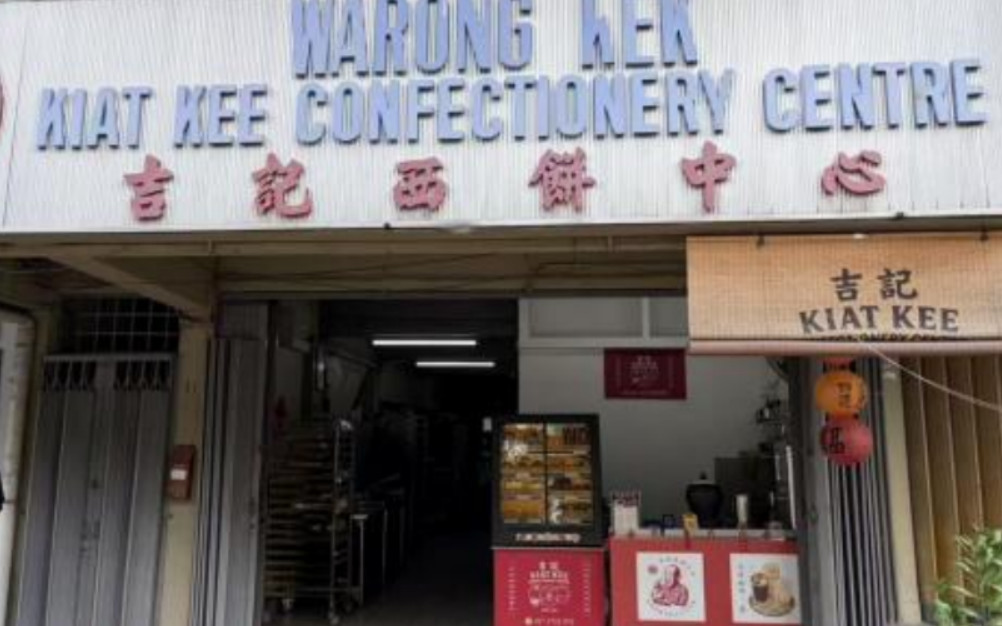
Figure 1: Kiat Kee Confectionery Centre, a family-run bakery founded in 1981, continues to operate in Taman Taynton View, Kuala Lumpur.
“There are no shortcuts to any place worth going.”—Beverly Sills.
In 1981, a family-run bakery was established and is now led by the third generation. Although the new bakery chains are popular among younger people due to modern flavors and beautiful stores, Kiat Kee still has many customers who like the old-fashioned taste of pastries from their childhood. For Kiat Kee, this patience keeps their legacy alive.
For the current owner, it was no longer about running a shop; He grew up watching his parents bake all day and night, and he learned that every recipe had a story from his family and their neighbourhood.
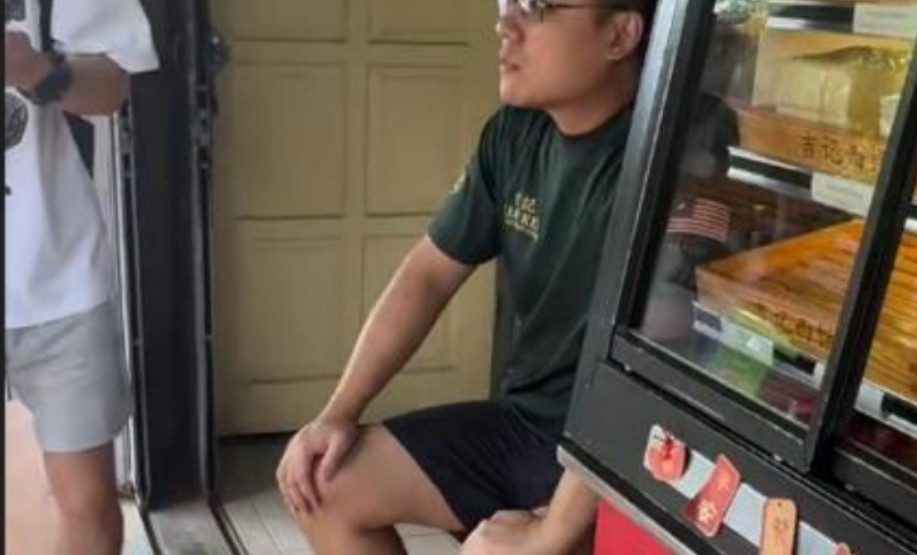
Figure 2: The interview subject represents the third generation continuing the family bakery
“I grew up here watching my parents make pastries every day. When I got older, I wanted to continue this family tradition.”
Pandan chiffon, pound cake, steamed cake, and other traditional pastries are displayed in wooden cases in the shop. The Space is small, but the shelves have told a story of four decades of routine, skill, and repeat customers.
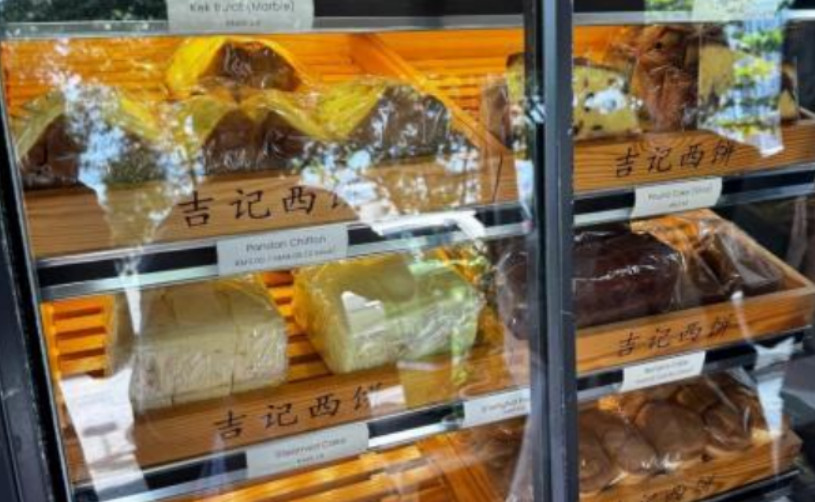
Figure 3: Traditional cakes and pastries are displayed in wooden trays, highlighting the bakery’s handmade product range.
CHANGING WITHOUT LOSING ITS FLAVOR
The Crisis in 2020 highlighted the need for organization. Before it was closed, the bakery also sold goods to wholesale buyers at the market. Next, the shop started to focus on retail customers more and increased online promotion and direct contact with buyers for the remaining orders.
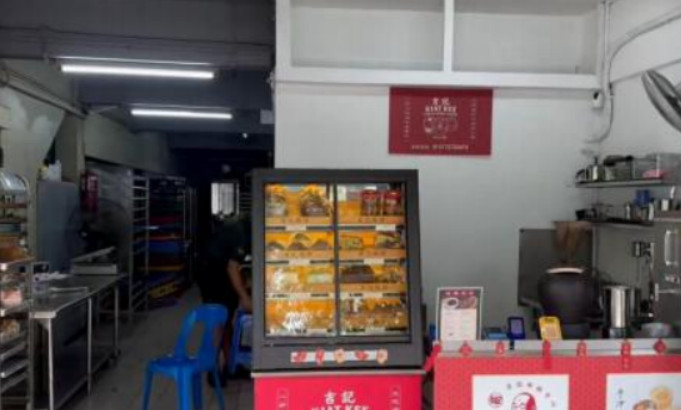
Figure 4: The shop’s retail display and work area show how production and customer service operate side by side
The move made Kiat Kee more noticeable, but the owner added that the heart of the shop hadn’t changed.
Handicrafts are still at the core of this place, and production is not done by machines. Machine-made products are often the same because they go through the same process, handmade pastries have a different texture and taste. This echoes chef ’s words: Kiat Kee’s soul is crafted every morning by hand.
“A recipe has no soul. You, as the cook, must bring soul to the recipe.” – Thomas Keller.
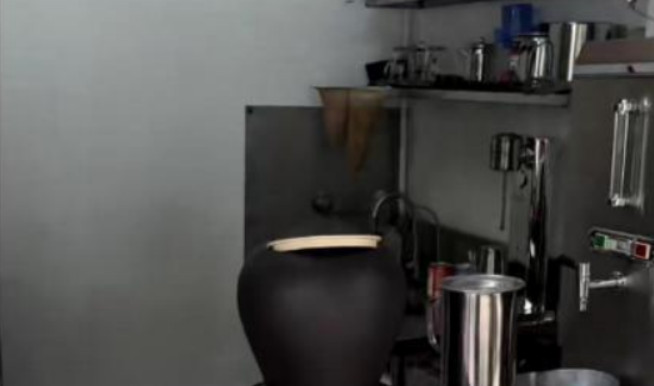
Figure 5: Equipment inside the work area points to the handmade process behind the bakery’s pastries.
A newspaper feature displayed in the shop shows that local recognition has helped the bakery gain the trust of the public without becoming a large commercial brand.
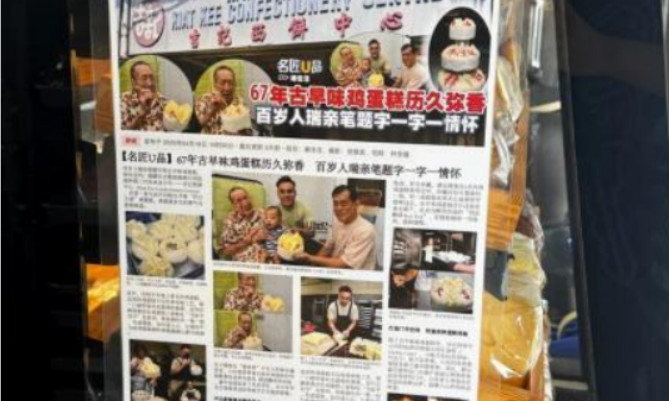
Photo 6: A newspaper feature displayed in the shop reflects Kiat Kee’s history and public recognition.
“Tradition is not the worship of ashes, but the preservation of fire.” – Gustav Mahler.
After more than 40 years, Kiat Kee is still here and shows that food heritage can survive in daily life. This story will show them that a small bakery can still be popular after losing the personal touch that made it famous initially. In the future, it will not only be about a single family but also whether younger generations will continue to appreciate the flavour of tradition.
By passing down their trays, Kiat Kee keeps the fire of childhood flavors alive.
Leave a Reply