
By Jia Shuyi 1002579051, He Wenrong 1002580463, Huang Huahao 1002579145, Lu Ziqiao 1002475859
Kuala Lumpur – In the past, Malaysian Chinese made an enormous contribution to China’s development; whether during China’s War of Resistance Against Japan or in the subsequent period of national reconstruction, the influence of Malaysian Chinese could be seen everywhere.
Mr. Vince Chee initially worked as a medicine salesman before moving into book sales, largely due to the influence of his father. That generation of Malaysian Chinese also had a history bot heroic and tragic.
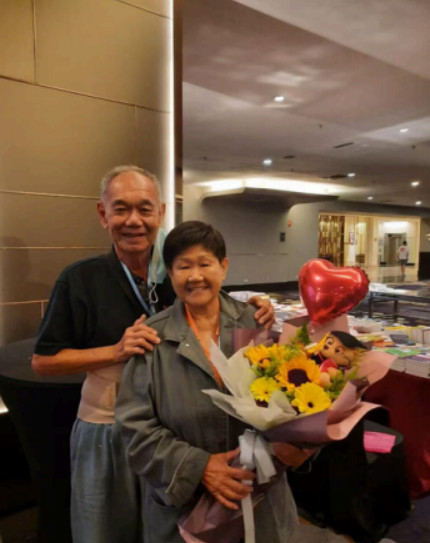
Figure 1 Mr. and Mrs. Chee have been in the book trade since 1986— a span of forty years. Their parents emigrated to Malaysia from China and have witnessed almost the entire history of modern Malaysia. The photograph shows Mr and Mrs Chee at their book stall.
Cheras 11 Miles – “My father ran a small shop. When Japan invaded China, we Chinese organized charity collections. My father used to argue frequently with my mother because he would always donate the money we needed for our meals,” recalled Mr. Vince Chee.
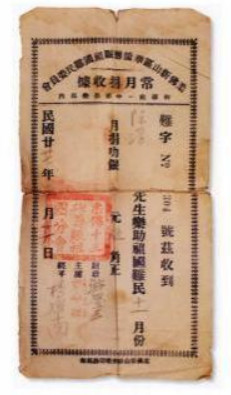
Figure 2: Pictured is a receipt for a donation made to the Committee for the Relief of Refugees in the Motherland, organized by the Overseas Chinese Community in the Xin Shan District of Johor, Malaysia. Donated by Chen Fei Long.
The slaughter perpetrated by Japanese militarism never ceased; that blade was drenched in the blood of the Chinese people, including that of the Chinese community in Malaysia. As the war progressed and the Japanese invaded Malaysia, large numbers of Chinese were subjected to purges; those were hard times.
One day you might still be able to greet your friend, but the next day you’d only be able to greet his head hanging in the street, because it had been chopped off by Japanese soldiers.
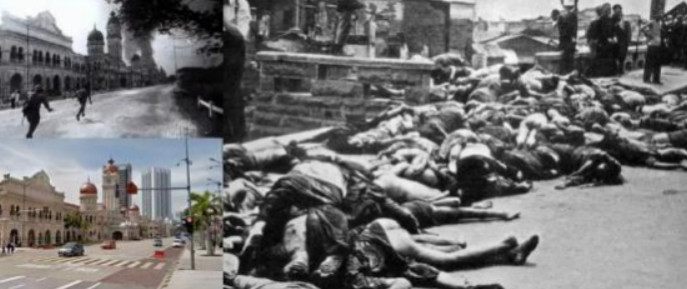
Figure 3: Japan invaded Malaysia, and the Malaysian Chinese were targeted and massacred because they had donated money to China.
By the 1950s, peace had returned. The newly founded People’s Republic of China was extremely fragile, whilst the Chinese community in Malaysia wanted to come to the aid of their homeland. At that time, the most common demonstrations on the streets were fundraising drives organized by the Chinese community, with banners bearing the slogan ‘Save the Motherland’, Mr. Vince Chee had also wanted to return to China, but as he was too young, his application was rejected.
Mr. Vince Chee said, “My five aunts—my mother’s five sisters—heard the Chinese government’s appeal on the radio at that very time and chose to return to China then to help the country in its hour of need. Strangely enough, my parents were born in China but remained in Malaysia, whilst my aunts were born in Cheras but stayed in China. My father sent them money, bicycles and daily necessities at least once a year. They returned once to visit their family, and in the end, they all passed away in China.”
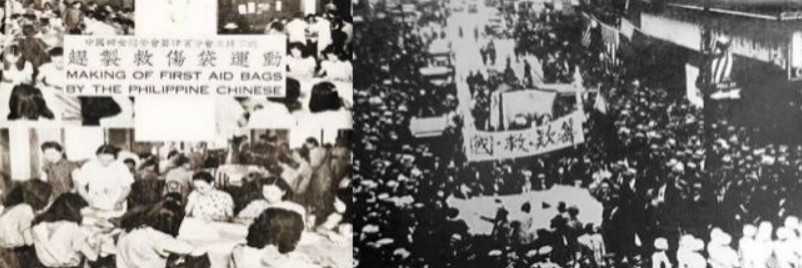
Figure 4 & 5: Campaigns and demonstrations organized by overseas Chinese communities in support of their motherland
Time is the greatest enemy; when things are no longer spoken of, no one remembers them ANYMORE — just like the setting sun; yet the land, the mountains, and the rivers that have been saved will serve as a reminder, like an immortal monument.
That period of history is hazy; some of those who remember it have grown old, but many more have already passed away. Mr. and Mrs. Chee are now in their eighties, and they say there are many more details, but their advanced age makes it difficult for them to recall them. This story may well be forgotten in the end.
A quality more precious than any treasure
“If one were to ask what such experiences have truly given them, they say it is a passion for life, a passion for Malaysia, a passion for China, and a passion for their work. This has enabled the perseverers to build their own business and to gain partners they can trust. Even in the darkest and most cruel of days, one should maintain a passion for the future.”
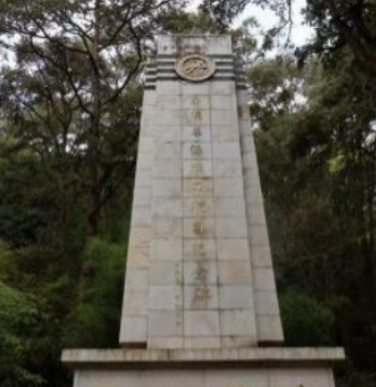
Figure 6: Nanyang Overseas Chinese Ji Gong Anti – Japanese Monument. Located on Xi Shan Hill in Kunming, Yunnan Province, China, it commemorates the Malaysian Chinese who gave their lives for China.
Leave a Reply